Career Fair Strategies That Get You Callbacks Instead of Handshakes
Get real callbacks from career fairs with these preparation, conversation, and follow-up strategies that outperform casual booth visits.
Anúncios
Why Most Career Fair Attendees Walk Away Empty-Handed
The average career fair attendee visits five to ten booths, hands out resumes, collects swag, and leaves without a single meaningful connection. Recruiters at these events talk to hundreds of people in a single day and remember almost none of them. Standing out requires preparation that most candidates skip.
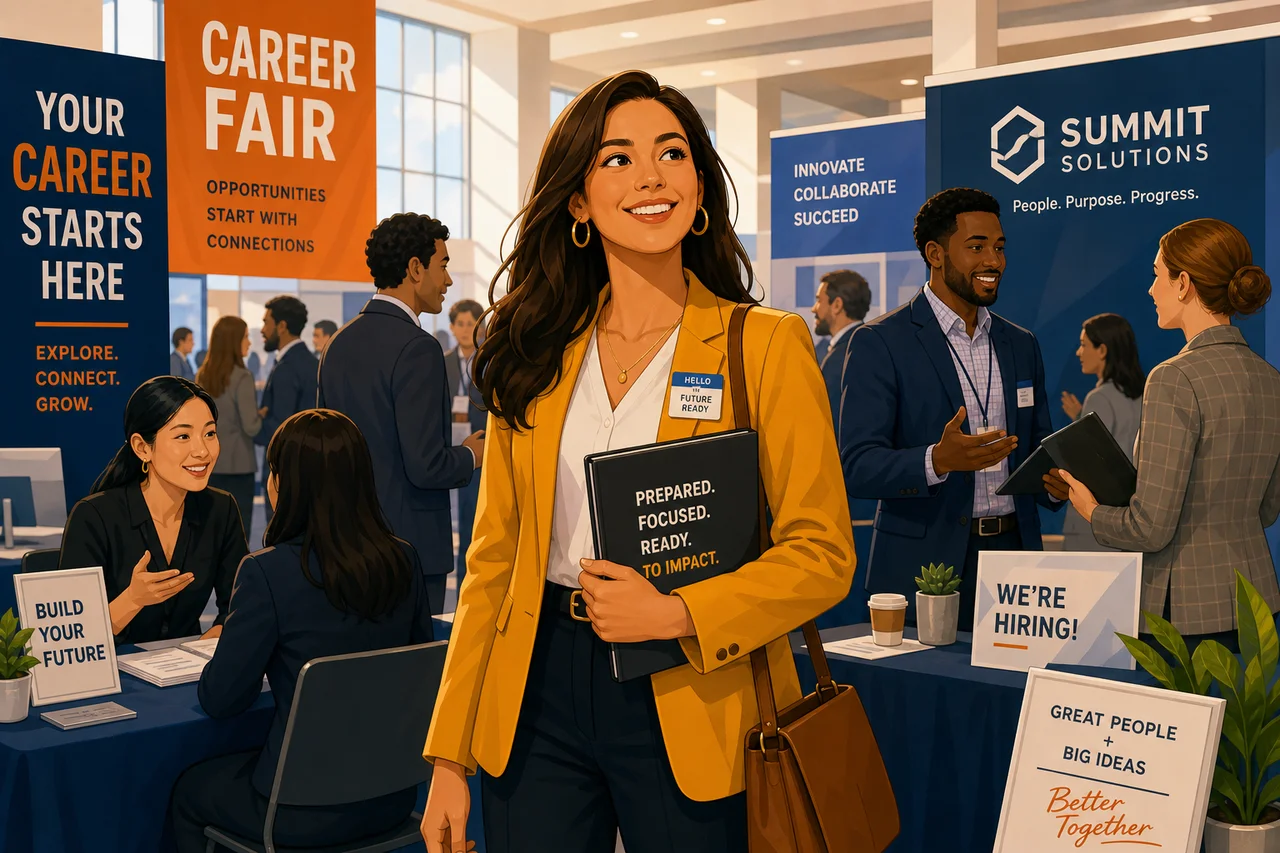
Career fairs work when you treat them as targeted networking events rather than resume distribution exercises. The people staffing those booths are often hiring managers or senior recruiters with authority to fast-track candidates. Making a memorable impression in a two-minute conversation is a learned skill.
Anúncios
How to Research Companies Before the Fair
Get the list of attending companies from the event website weeks in advance. Select five to eight target companies and research each one's open positions, recent news, and culture. Prepare one specific question for each company that demonstrates you've done homework beyond reading their booth banner.
Find the names of recruiters or representatives attending if the event publishes them. Looking someone up on LinkedIn before meeting them in person gives you conversation starters and shows initiative. Mentioning a shared connection or a recent company achievement creates instant rapport.
Anúncios
Crafting a 30-Second Introduction That Gets Remembered
Structure your introduction as name, relevant qualification, and specific interest. 'Hi, I'm Alex Chen. I'm a data analyst with three years of experience in healthcare analytics, and I'm interested in your population health team's work on predictive modeling.' This takes 10 seconds and gives the recruiter three hooks to continue the conversation.
Practice your introduction until it sounds natural rather than rehearsed. Vary it slightly for each company to reference their specific work. The goal is to communicate relevance quickly so the recruiter wants to continue talking rather than politely moving to the next person in line.
What Questions Should You Ask at Career Fair Booths?
Ask questions that reveal inside information you can't find online. 'What does the onboarding process look like for this role?' or 'What's the team culture like in the engineering department?' These questions show genuine interest and give you intelligence for future interviews.
Avoid questions about salary, benefits, or PTO at the career fair stage. These are important but premature for a first interaction. Focus on learning about the work, the team, and the company's direction. Compensation discussions belong in the interview process after mutual interest is established.
Managing Your Time at the Event
Visit your top three companies first while your energy is highest and lines are shortest. Most attendees start at the nearest booth and work their way around randomly. Going directly to priority companies ensures you get quality time with the recruiters who matter most to your search.
Spend five to seven minutes per booth in meaningful conversation rather than 30 seconds handing over a resume. Quality interactions with five companies produce better results than superficial contacts with twenty. Take brief notes on your phone after each conversation while details are fresh.
How Should You Dress for a Career Fair?
Business professional attire works for most career fairs regardless of the attending industries. A well-fitted suit or polished business casual with closed-toe shoes signals professionalism. Tech-industry fairs may allow slightly more casual dress, but erring on the formal side never hurts your impression.
Carry a professional bag or portfolio rather than a backpack stuffed with free pens and brochures. Your appearance communicates how seriously you take the opportunity. Recruiters form first impressions within three seconds, and your outfit is the first thing they register before you speak.
Bringing the Right Materials
Print 20 to 30 copies of your resume on quality paper. Bring a professional portfolio or padfolio for organized document handling. Include business cards if you have them, or a QR code linking to your LinkedIn profile as a modern alternative. A pen and small notepad round out your kit.
Tailor your resume to the event's focus if it's industry-specific. A tech career fair resume should emphasize different skills than a healthcare career fair resume even if your background spans both. Bringing one generic resume misses the opportunity to speak directly to each recruiter's priorities.
What's the Best Way to Exchange Contact Information?
Ask for the recruiter's business card or LinkedIn profile at the end of your conversation. Many recruiters now prefer LinkedIn connections over business cards. A direct request like 'Would it be alright if I connected with you on LinkedIn to continue this conversation?' is professional and effective.
If the recruiter doesn't have cards, note their full name and title. You can find them on LinkedIn afterward using the company name and their first name. Having accurate contact information is essential for the follow-up that turns a career fair conversation into an interview invitation.
Virtual Career Fair Strategies That Work Online
Virtual career fairs require the same preparation with additional tech setup. Test your webcam, microphone, and internet connection beforehand. Choose a quiet, well-lit space with a professional background. Log in five minutes early to navigate the platform and locate your target company booths.
Use the chat function strategically in virtual booths. Type thoughtful questions while waiting for your video turn. Many virtual fairs allow one-on-one video sessions with recruiters. Sign up for these slots immediately when they become available since they fill within minutes.
The Follow-Up Process That Converts Conversations Into Interviews
Send a personalized email or LinkedIn message within 24 hours of the event. Reference a specific topic from your conversation to distinguish yourself from the dozens of generic follow-ups the recruiter will receive. Attach your resume and express interest in a specific role or team.
If the recruiter mentioned an open position, apply through the company's official portal and mention in your application that you spoke at the career fair. This dual-channel approach ensures your application is tracked in their system while the personal connection gives it priority attention.
How Do You Stand Out When Everyone Has Similar Qualifications?
Bring a portfolio piece, a one-page project summary, or a specific question that demonstrates depth beyond your resume. When every candidate has a similar degree and GPA, the one who shows a completed side project or asks about the company's latest challenge stands out immediately.
Energy and genuine curiosity are differentiators that can't be faked. Recruiters remember candidates who showed real enthusiasm about the work rather than just asking about perks. Your demeanor during a two-minute conversation tells experienced recruiters more about your fit than any resume bullet.
- Research five to eight target companies and their open positions before the event
- Prepare a customized 30-second introduction for each target company
- Visit priority booths first while energy is high and lines are short
- Collect business cards or LinkedIn details from every meaningful conversation
- Send personalized follow-up messages within 24 hours referencing specific topics discussed
- Apply through official company portals and reference the career fair interaction